
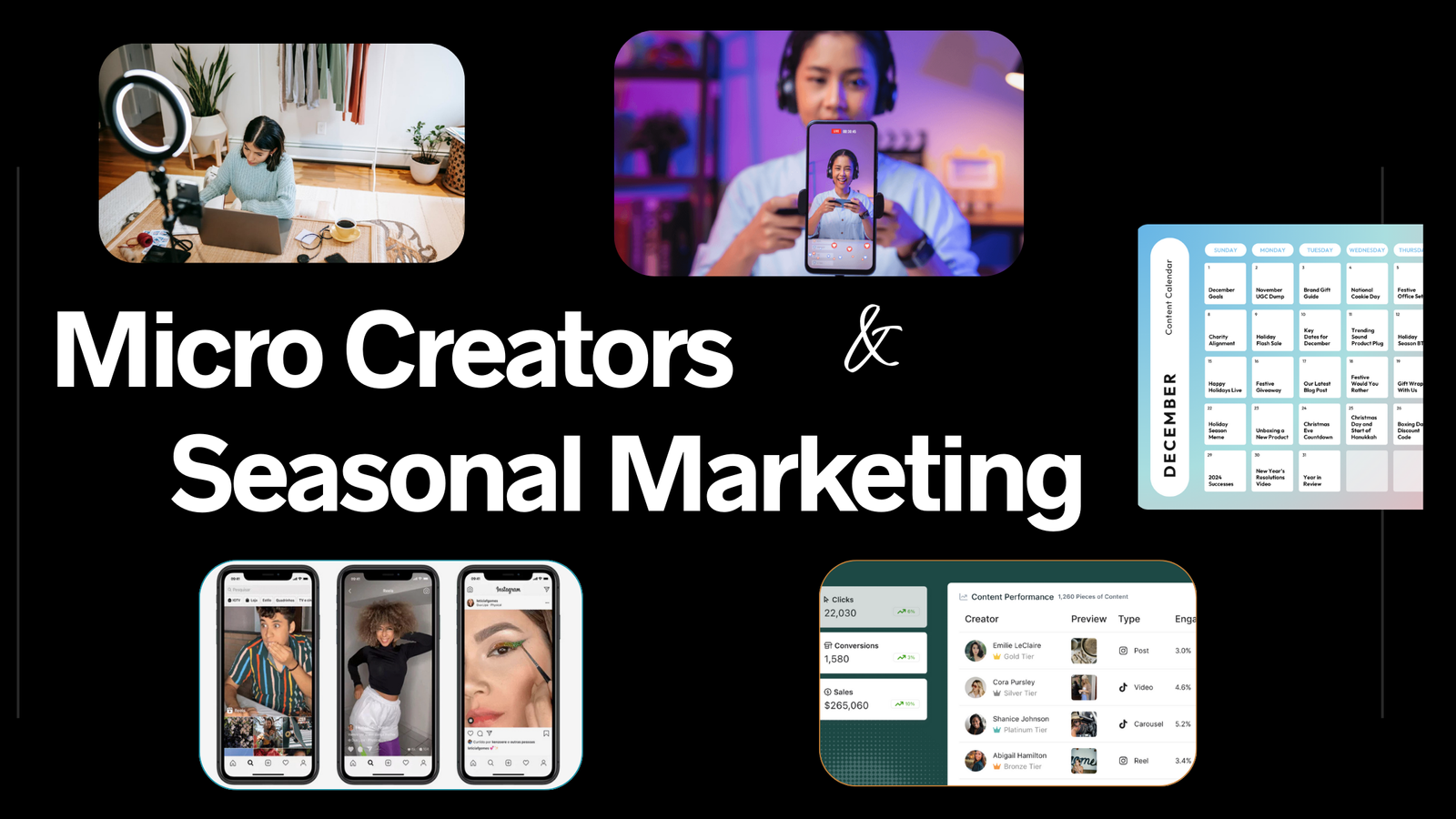
Micro creators’ seasonal marketing has become one of the most important shifts shaping how brands approach growth in 2026. During 2025, businesses steadily moved budgets toward smaller creators with high trust and engagement. This shift became especially visible in seasonal campaigns, where timing, inspiration, and credibility directly influence buying decisions.
As seasonal markets grow more competitive, brands now rely less on reach alone and more on creators who can guide discovery early and influence intent over time.
What Micro Creators Seasonal Marketing Means in 2026
In today’s digital economy, micro creators are defined more by impact than by size. While many still associate micro creators with follower counts between ten thousand and one hundred thousand, brands in 2025 evaluate creators based on engagement, trust, and audience response.
This focus on trust is strongly supported by research. Nielsen’s Global Trust in Advertising studies consistently show that over 90 percent of consumers trust recommendations from individuals more than brand advertising. As a result, creator-led strategies now form the foundation of many modern marketing plans.
Because micro creators interact directly with their audiences, their recommendations feel personal rather than promotional. This distinction becomes particularly powerful in seasonal markets, where purchases often carry emotional meaning rather than purely functional intent.
How Micro Creators Seasonal Marketing Is Changing Brand Strategy
This shift toward micro creators seasonal marketing reflects how discovery and trust now shape seasonal buying decisions. Instead of pushing products at the moment of purchase, brands focus on influencing ideas weeks or even months earlier.
As a result, brands adopting micro creators seasonal marketing strategies consistently see stronger engagement during peak seasonal periods. These creators help brands stay present throughout the planning phase, not just at checkout.
The Growth of Micro Creators Seasonal Marketing
The broader creator economy reached a clear inflection point in 2024 and 2025. According to the Interactive Advertising Bureau, creator economy ad spend is projected to reach 37 billion dollars in 2025, growing approximately four times faster than the overall media industry.
This rapid growth signals a structural change. Creator partnerships are no longer experimental. Brands now plan, budget, and measure them as a core media channel alongside paid search and social advertising.
Supporting this trend, industry analysis shows that the global influencer marketing market grew from approximately 24 billion dollars in 2024 to over 32 billion dollars in 2025.
Why Smaller Creators Outperform Traditional Influencers
One of the clearest reasons micro creators dominate seasonal markets is engagement efficiency. Data from multiple 2024 and 2025 industry reports shows that micro creators consistently achieve higher engagement rates than larger influencers.
According to a 2025 micro influencer performance analysis, micro creators often achieve engagement rates ranging from 6 to 11 percent, while macro influencers frequently fall below 2 percent.
Higher engagement leads to stronger algorithmic distribution, more saves, and longer content visibility. In seasonal marketing, this means content continues resurfacing when purchase intent peaks.
How Seasonal Buying Behavior Has Shifted in Recent Years
Seasonal buying behavior has evolved significantly. In 2025, discovery became increasingly visual, save-driven, and creator-led.
Pinterest research, supported by Adobe consumer data, shows that over 70 percent of users say visual discovery helps them decide faster, while more than 35 percent begin product searches on visual platforms instead of traditional search engines.
Because of this shift, seasonal markets now depend heavily on early inspiration. Consumers collect ideas, save visuals, and revisit content repeatedly before making a purchase. Micro creators thrive in this environment because their content is designed for saving and rediscovery.
The Role of Social Commerce in Seasonal Markets
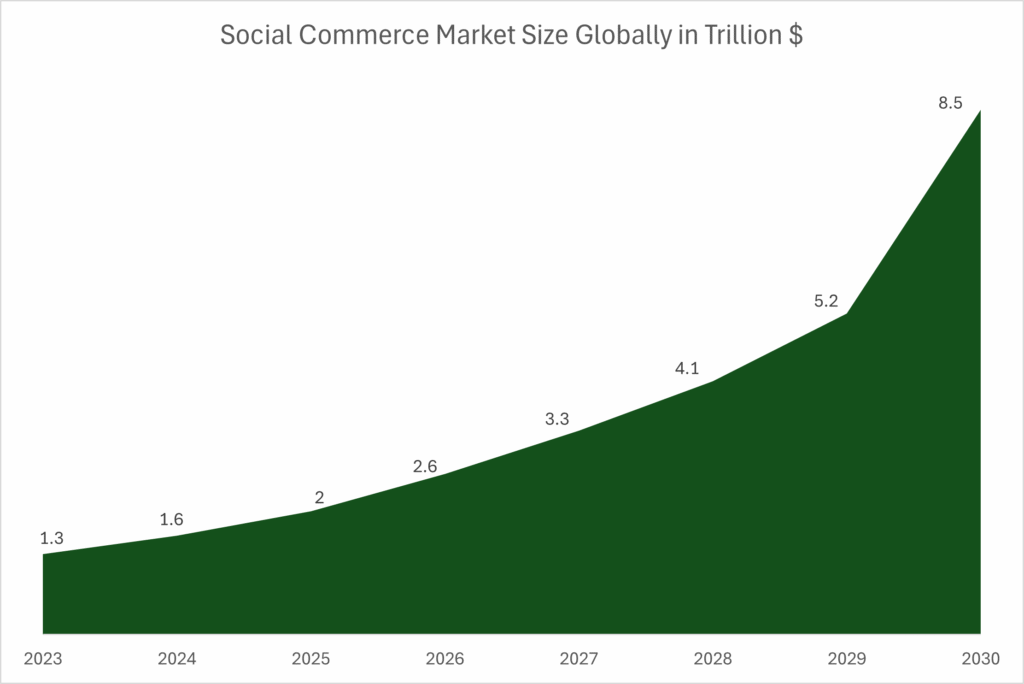
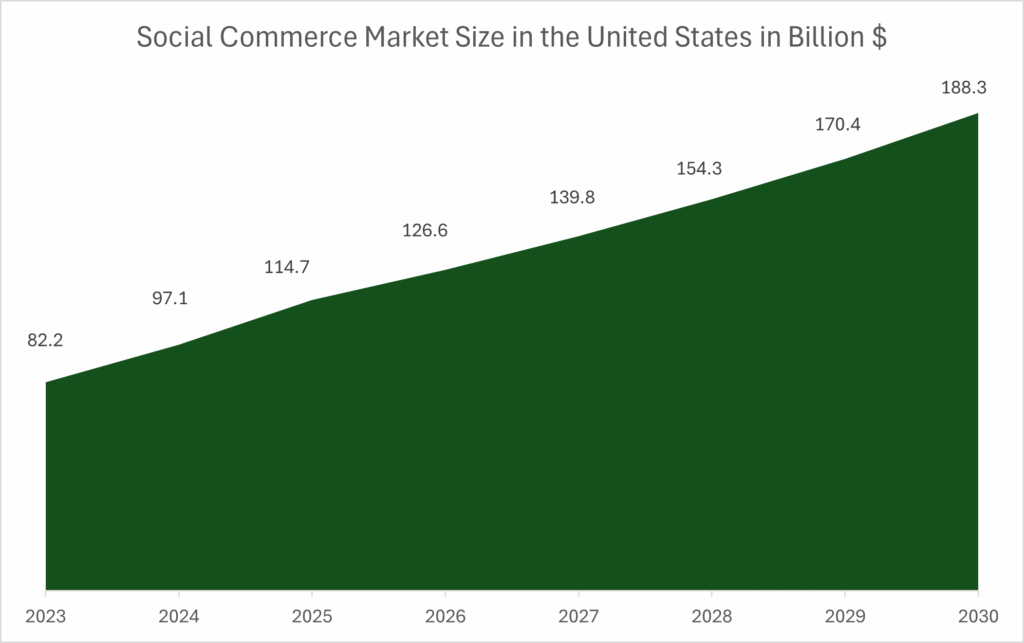
Social commerce has become a critical bridge between inspiration and purchase. According to industry data, the United States social commerce market exceeded 114 billion dollars in 2025, while global social commerce reached nearly 2 trillion dollars.
More importantly, 58 percent of U.S. shoppers report purchasing a product after seeing it on social media. This confirms that creator-led discovery directly influences buying decisions.
In seasonal contexts, this influence grows even stronger. Holiday purchases often rely on emotion, social proof, and visual cues. Micro creators naturally combine all three.
How Micro Creators Use Platforms to Win Seasonally
Micro creators rarely rely on a single platform. Instead, they adopt an omni approach across platforms, creating connected experiences that support seasonal growth from discovery through conversion.
On TikTok and Instagram Reels, creators spark trends and emotional narratives. On Pinterest, they extend the life of seasonal ideas through saves and search-driven discovery. Meanwhile, YouTube and email lists reinforce trust and provide deeper context.
Google’s Think Insights research confirms that modern consumers move fluidly between scrolling, searching, watching, and shopping. Seasonal decisions now follow this non-linear path.
Seasonal Strategies Micro Creators Use Successfully
1. Early Publishing:
Seasonal content performs best when published early. Many consumers begin planning seasonal purchases months in advance, giving early content more time to gain traction.

2. Collaboration Networks
Rather than competing, micro creators collaborate. Shared audiences and cross-promotion increase reach without increasing costs.

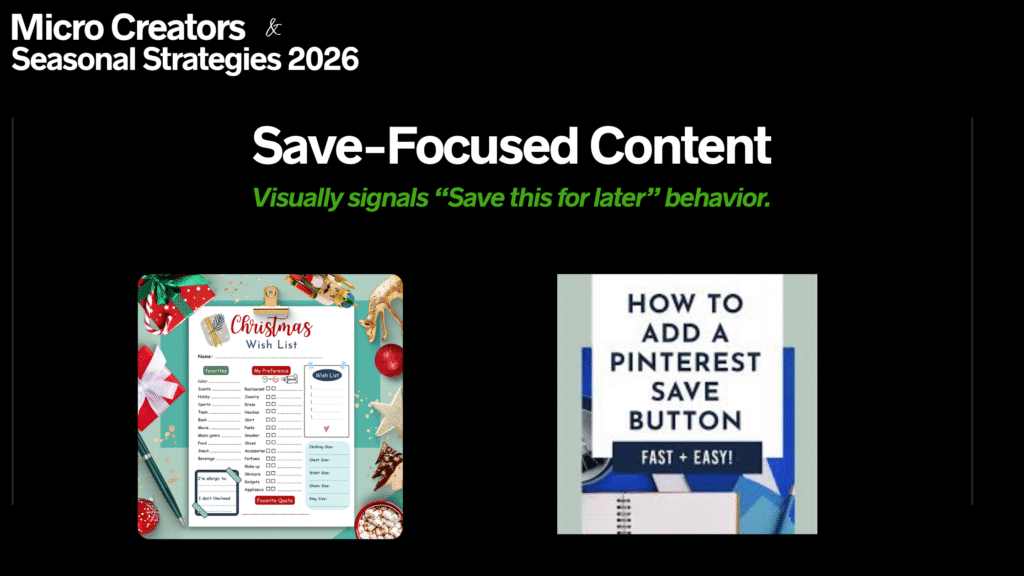
3. Save-Focused Content = Long-Term Reach
Micro creators design content meant to be saved. Gift guides, visual checklists, and seasonal themes remain relevant long after they are published.
Soft Conversion Converts Better
Instead of aggressive selling, creators guide audiences through inspiration. This approach naturally builds intent and leads to stronger conversions when purchase decisions are made.


What This Shift Means for Small Businesses
For small businesses in seasonal niches, micro creators offer trust-driven visibility at a manageable cost. In 2025, nearly half of creator ad buyers described creator partnerships as a “must-buy” channel, ranking them alongside paid search and social advertising.
As a result, small businesses that align with creator-led seasonal discovery can compete without massive advertising budgets. The key is preparation. Businesses that organize seasonal assets early can respond quickly when creators generate demand.
Closing Thoughts
Micro creators are winning seasonal markets in 2026 not because they are louder, but because they are trusted, timely, and deeply embedded in how people plan. Data from 2024 and 2025 supports this shift clearly.
Creator economy spending continues to rise. Engagement favors smaller audiences. Seasonal discovery is increasingly visual and social. Purchases now follow inspiration rather than interruption.
For brands and creators alike, the path forward is clear. Focus on relevance, publish early, and design content for discovery instead of immediate conversion. In seasonal markets, those who guide inspiration ultimately guide purchases.

Very informative. Nice
thanks alot
Pingback: What is the Future of Branding in the AI-Powered Digital Era