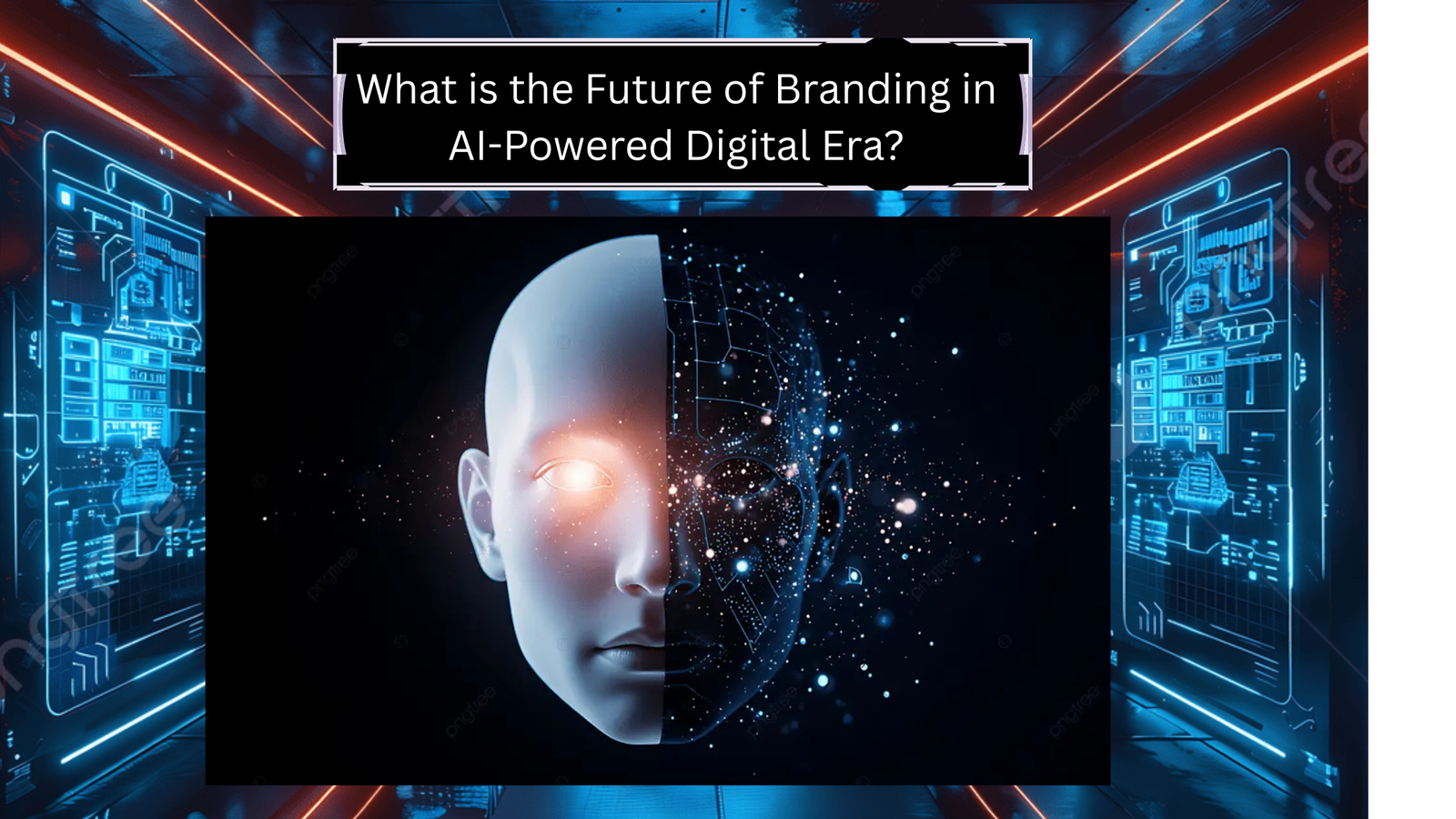
What is the future of branding in the AI-powered digital era? This question is becoming more urgent as artificial intelligence reshapes marketing, content creation, and consumer behavior. The future of branding is no longer just about visual identity or social media presence. It is about trust, authority, and human differentiation in a landscape increasingly driven by automation.
Over 60% of marketers now use AI tools for content creation, and AI-assisted marketing adoption continues to rise globally. At the same time, research from trust and consumer insight reports shows that people are significantly more likely to trust identifiable human creators than anonymous automated content. This contrast defines the future of branding.
As AI generates more content than ever before, brands must decide whether to rely on automation alone or strengthen their personal identity. In this AI-powered digital era, branding is shifting from visibility to credibility.
So what will truly define the future of branding? And can AI replace personal branding — or will it simply transform it?
Future of Branding in 2026 – What Is Actually Changing?
Salesforce’s State of the Connected Customer research, based on insights from over 14,000 consumers and business buyers worldwide, shows that advances in AI are making trust more critical than ever. As AI becomes central to digital experiences, customers increasingly expect brands to use it ethically, transparently, and responsibly.81% of consumers say brand trust influences their purchases
Platforms are responding to this shift. YouTube has introduced labeling for altered or synthetic media. TikTok requires disclosure for AI-generated content. Google’s AI search summaries increasingly prioritize authoritative, human-sourced expertise.
The future of branding is not simply about producing more. It is about being recognizable, credible, and trustworthy in a landscape flooded with automated output.
Future of Branding and AI : Can AI Replace Personal Branding?
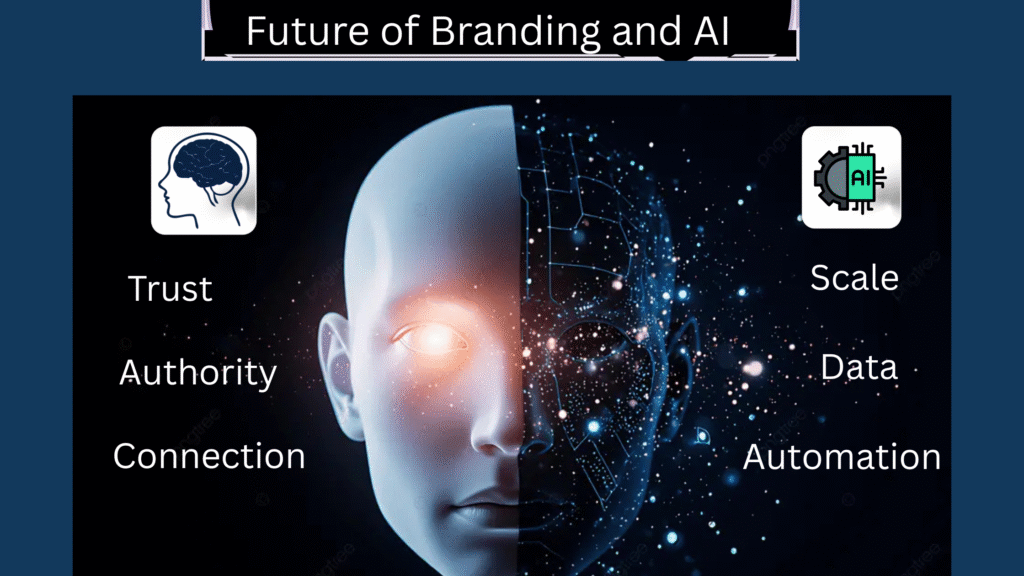
AI is powerful. But branding is not just productivity.
What AI Can Do in Branding
AI can: Generate blog articles in seconds, Create video scripts, Design visual assets ,Optimize advertising campaigns and Personalize email sequences
In fact, the Marketing AI Institute reports that 67% of brands in 2025 used AI in marketing workflows, primarily for efficiency and cost reduction.
AI improves scale. It reduces friction. It increases publishing frequency.
What AI Cannot Replace
Branding operates on human psychology. It builds memory over time. It strengthens familiarity and credibility.
Edelman’s global trust research consistently shows that audiences trust individuals more than institutions. That means personality, expertise, and human narrative are still central.
AI cannot replicate: Personal lived experience,Reputation earned over time ,Emotional nuance and accountability
The future of branding integrates AI as an assistant but keeps humans as the authority.
What Will the Future of Branding Look Like in 2030?
Many marketers are asking what marketing will look like in 2030.
Gartner research underscores the pivotal role of personalized digital interactions in driving customer engagement in the AI era. While the landscape evolves, marketing leaders who harness AI-enhanced personalization and customer-shared data are better positioned to foster meaningful engagement and build loyalty. By tailoring communications to individual preferences and behaviors, brands can create more impactful, resonant experiences that align with modern customer expectations.
In 2030, marketing will likely be hybrid:
- AI handles optimization
- Humans handle positioning
- Communities replace mass broadcasting
The future of branding will reward expertise, clarity, and consistency.
What Is the Rule of 7 in Marketing in the Future of Branding?
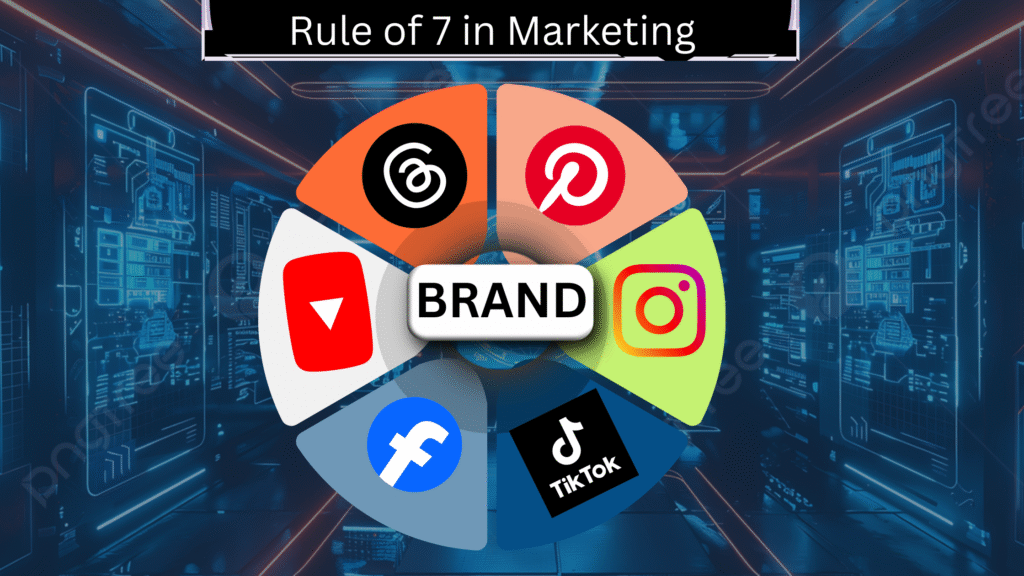
The Rule of 7 states that a consumer needs to encounter a brand multiple times before taking action.
In 2026, those seven exposures rarely come from one channel. They might include:
- A YouTube Short
- A LinkedIn post
- A Google AI overview snippet
- A podcast mention
- An Instagram Reel
- A newsletter
- A website visit
Industry insights show that 94.5% of online customer journeys involve multiple touchpoints before a conversion, meaning most people engage with a brand through several platforms before deciding to buy.
This evolution shows that the Rule of 7 has shifted from simple repetition to coordinated omnipresence which means a brand must be visible and consistent across platforms to build recognition, trust, and ultimately, conversions.
What Is the 1% Rule in Marketing and Why It Matters?
The 1% rule suggests that a small percentage of creators or brands capture the majority of attention and revenue.
Despite AI lowering entry barriers, engagement remains concentrated. Reports in 2025 show that a tiny fraction of creators dominate interaction and monetization, reinforcing that visibility alone is not enough.
The difference is positioning.
Brands in the top tier:
- Define a niche
- Build authority
- Maintain consistent messaging
- Develop recognizable identity
The future of branding is depth over noise.
What Is the 3-7-27 Rule of Branding?
The 3-7-27 rule reflects modern attention behavior:
- 3 seconds to capture attention
- 7 seconds to create an impression
- 27 seconds to build credibility
Short-form platforms confirm this pattern. TikTok business data shows that the first few seconds determine retention rates. But retention is not just about hooks. It is about clarity of identity.
AI can help craft compelling openings. But only strong branding sustains engagement.
2026 Data-Backed Branding Trends
Several measurable trends define the future of branding:
- AI-assisted marketing adoption now exceeds 60% globally.
- Consumers trust identifiable creators more than anonymous sources by over 2:1 margin.
- Trust influences purchasing decisions more strongly than pricing factors.
- Micro-communities drive higher loyalty than broad but shallow audiences.
- Search engines increasingly prioritize expertise and author credibility signals.
These trends point toward one conclusion: automation increases supply, but authority increases value.
So, Can AI Replace Personal Branding?
No…. AI will transform workflows, enhance creativity, and increase efficiency. But it cannot replace the psychological foundations of branding: familiarity, trust, and emotional resonance.
Branding is the long-term perception people form about you. It is accumulated credibility.
The future of branding is not AI versus humans. It is AI amplifying humans.
Those who rely only on automation compete on volume. Those who build identity compete on value.
Frequently Asked Questions
What is the future of branding?
The future of branding is identity-driven, trust-centered, and AI-assisted.
Can AI replace personal branding?
No. AI supports creation but cannot replace human trust and identity.
What will marketing look like in 2030?
Hybrid: AI optimization + human differentiation + community focus.
What is the rule of 7 in marketing?
It’s the idea that customers need to see your brand multiple times before action — still highly relevant in 2026.
What is the 1% rule?
A principle that a small percentage capture most engagement — unchanged even with AI.
What is the 3-7-27 rule?
It’s about attention and trust timing in content consumption.
Final Thoughts on the Future of Branding
The future of branding in the AI-powered digital era belongs to those who combine technological efficiency with human authenticity. AI will continue to accelerate content production, automate workflows, and personalize digital experiences. But trust, identity, and credibility remain deeply human.
Brands that win will not rely on automation alone. They will build authority within specific communities, show up consistently across platforms, and create meaningful connections. This is especially visible in how niche creators and small brands dominate seasonal opportunities. As explored in our guide on How Micro Creators Win Big in Seasonal Marketing Trends, focused positioning and timely visibility often outperform mass marketing strategies.
The future of branding is not about replacing people with AI. It is about empowering people with AI while strengthening identity at every touchpoint.