
Zero investment business ideas are gaining strong momentum heading into 2026 as more people search for ways to earn income without upfront capital. Rising startup costs, widespread remote work, and global internet access have shifted entrepreneurship toward skill-based, home-run businesses.
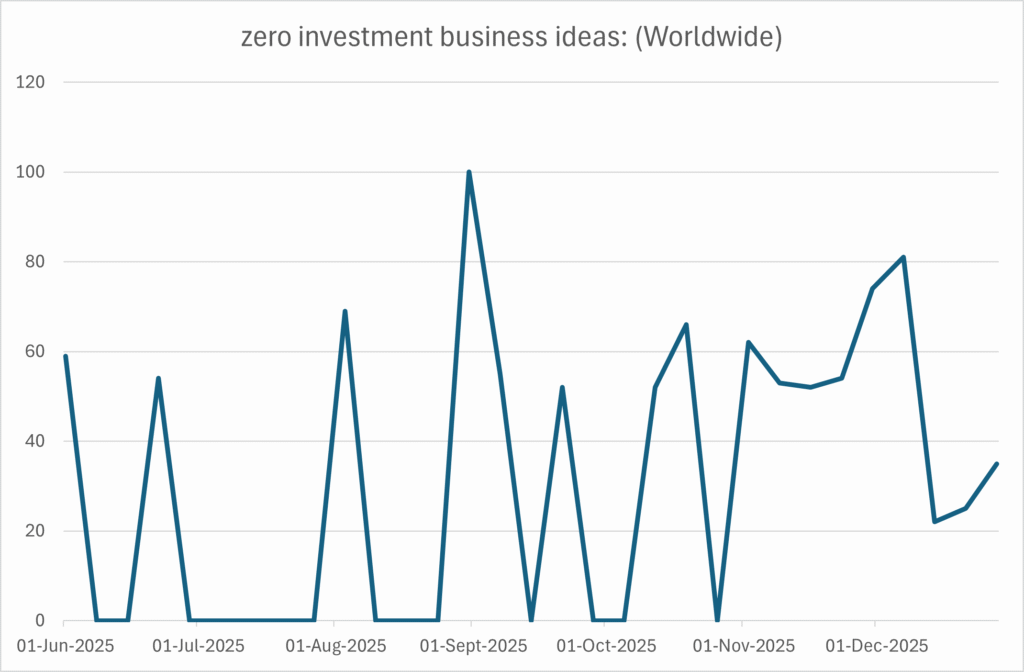
This growth is not speculative. Worldwide search interest for “zero investment business ideas” has increased steadily over the past year, with repeated spikes and a higher baseline of demand, as shown by Google Trends data. The pattern reflects real intent, people actively exploring low-risk ways to start businesses using skills rather than money.
As economic conditions and work models continue to evolve, zero investment business ideas are becoming a practical and data-backed entry point into modern entrepreneurship.
What Are Zero Investment Business Ideas?
Zero investment business ideas refer to business models that require no upfront financial capital to begin. Instead of money, these businesses rely on personal skills, time, and access to digital platforms that connect sellers with customers.
What Zero Investment Really Means
Zero investment does not mean zero effort or instant income. It means:
- No inventory or physical products
- No office rent or equipment purchases
- No upfront advertising budget
The primary investment is skill development, consistency, and execution, not cash.
Entrepreneurship Growth and Small Business Realities
Global entrepreneurship has reached unprecedented levels. Data summarized by Hostinger, based on the Global Entrepreneurship Monitor, estimates around 665 million entrepreneurs worldwide as of 2025. This indicates a growing shift toward self-directed, flexible work.
Why This Matters
A critical pattern in the data is that many new entrepreneurs are choosing:
- Service-based businesses
- Digital-first models
- Low-overhead operations
These models tend to survive longer than capital-intensive startups because they reduce financial risk and fixed costs. This explains why zero investment business ideas are now a mainstream entry point into entrepreneurship rather than an exception.
Why Zero Investment Business Ideas Are Especially Viable in 2026
Zero investment business ideas are particularly viable in 2026 because they align closely with long-term economic and workplace shifts. Online gig work could provide people in low- and middle-income countries an additional path out of poverty,” said Mamta Murthi, Vice President for Human Development, World Bank.
1. The Growth of Remote Work and the Gig Economy
Remote work and the gig economy are no longer temporary trends. Freelancers and independent professionals now form a significant portion of the global workforce. Digital platforms connect skilled individuals directly with clients, enabling income generation without upfront costs, offices, or geographic constraints.
2. Digital Access and Global Connectivity
Rising internet penetration and improved broadband access have lowered entry barriers worldwide. More people can now sell services, teach skills, and create content online. This level of connectivity makes zero investment business models feasible across regions and income levels.
3. Tools and Platforms That Lower Entry Barriers
Modern platforms for learning, freelancing, consultation, and content delivery have simplified business creation. These tools reduce complexity and setup time, allowing individuals to start businesses using only one skill and an internet connection.
Zero Investment Business Ideas You Can Start With One Skill
The most sustainable zero investment business ideas are built around a single, clearly defined skill that solves a real problem. Specialization builds credibility faster and improves conversion rates.
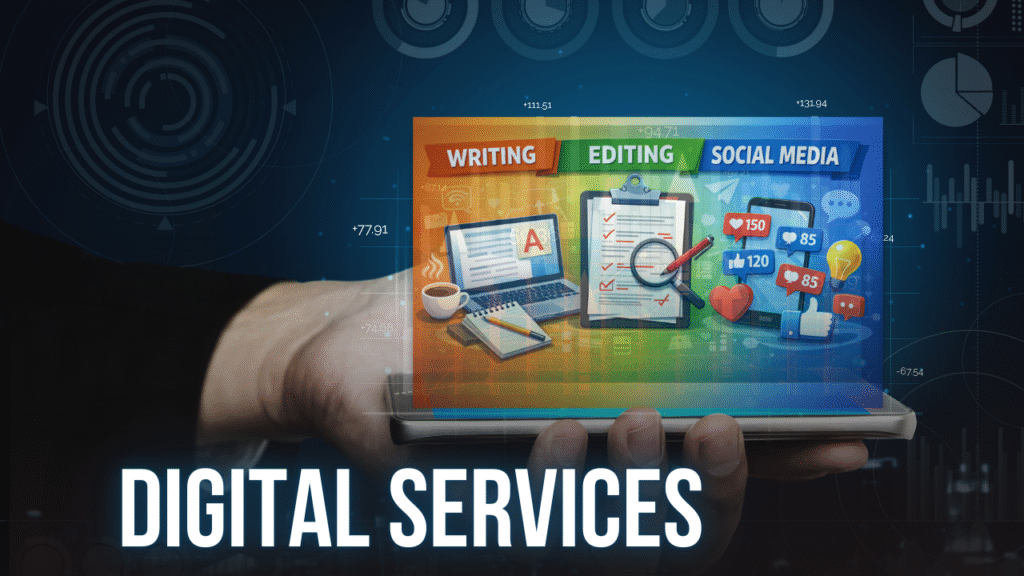
1. Digital Services: Writing, Editing, and Social Media
Writing, editing, and social media management remain in constant demand as businesses increasingly rely on digital communication. These services can be monetized quickly because clients pay directly for outcomes rather than products.
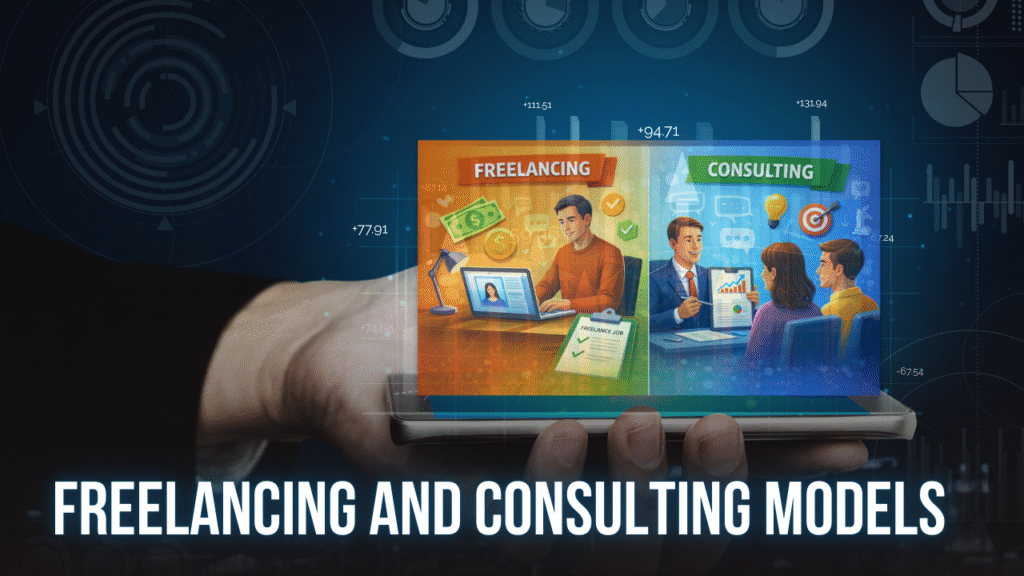
2. Freelancing and Consulting Models
Freelancing and consulting allow professionals to offer marketing support, administrative services, or strategic advice without physical infrastructure. These models rely entirely on expertise and delivery quality, making them ideal zero investment options
3. Online Teaching and Course Creation
Teaching languages, software tools, fitness programs, creative skills, or business knowledge requires subject mastery rather than capital. Online education platforms enable individuals to package and sell knowledge with minimal setup

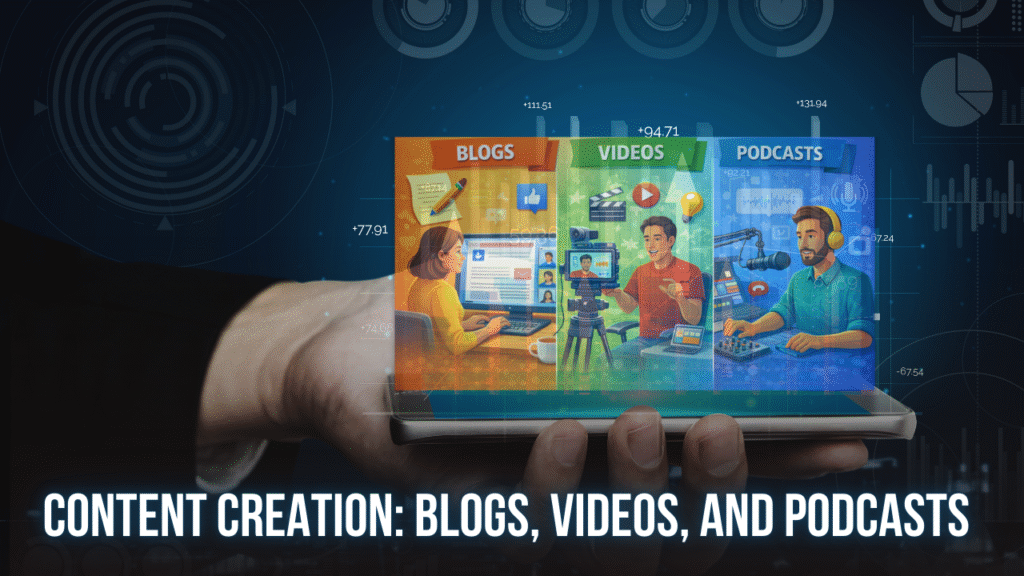
4. Content Creation: Blogs, Videos, and Podcasts
Content creation continues to mature into a viable business model. Although monetization takes longer, content-led businesses benefit from compounding effects through advertising, sponsorships, affiliate income, and premium communities
How Long It Takes to Make Money With Zero Investment Business Models
Understanding timelines is essential when evaluating zero-investment business ideas.
1. Short-Term Revenue: Service-Based Models
Service-based businesses often generate income faster because clients pay for immediate results. Revenue depends on client acquisition and consistent delivery.
2. Medium-Term Revenue: Teaching and Knowledge Products
Teaching and course-based models require time to build trust and credibility. Monetization typically follows audience development and proof of value
3. Long-Term Revenue: Content and Scalable Products
Content-driven businesses take the longest to monetize but offer higher long-term leverage. Once traction is achieved, revenue can scale without proportional increases in effort.
Why Some Zero Investment Businesses Fail
Despite low financial risk, not all zero-investment business ideas succeed. Failure is usually caused by execution issues rather than the absence of capital.
1. Lack of Clear Value Proposition: Unclear positioning makes it difficult for customers to understand what problem is being solved.
2. Inconsistent Effort and Delivery: Irregular output and weak follow-through prevent momentum from building.
3. Unrealistic Expectations. Many people underestimate the time required to reach a sustainable income and quit too early
Which Zero Investment Business Ideas Scale Best
Not all zero-investment business ideas are designed for growth
1. High-Scalability Models Digital courses, subscription services, community-supported content, and productized offerings allow one skill to serve many customers simultaneously.
2. Lower-Scalability Models: Hourly freelancing and one-to-one services often plateau unless pricing, systems, or teams are introduced.
Frequently Asked Questions About Zero Investment Business Ideas
1. Can you really start a business with zero investment?
Yes. If the business is skill-based and digitally delivered, upfront financial investment can be minimal. However, time and effort are always required
2. What are the best zero investment business ideas for beginners?
Service-based work, freelancing, online teaching, and simple content creation are among the most beginner-friendly zero investment business ideas.
3. Do zero investment business ideas work worldwide?
Yes. Because delivery is digital, many zero-investment business ideas work across countries, provided there is reliable internet access.
4. How much can you realistically earn from zero investment business ideas?
Earnings vary widely depending on skill level, demand, and consistency. Many start as side income and grow over time
5. Are zero-investment business ideas safe?
They are financially low-risk, but success depends on skill quality, execution, and realistic expectations
Final Thoughts: Skill and Strategy Matter More Than Capital
The evidence is clear: zero investment business ideas are not a passing trend. They reflect a structural shift in how businesses are created in the digital age. By focusing on one strong skill, aligning it with real demand, and executing consistently, individuals can build sustainable businesses from home with minimal financial risk.
In 2026, capital is optional but clarity, competence, and consistency are not.