
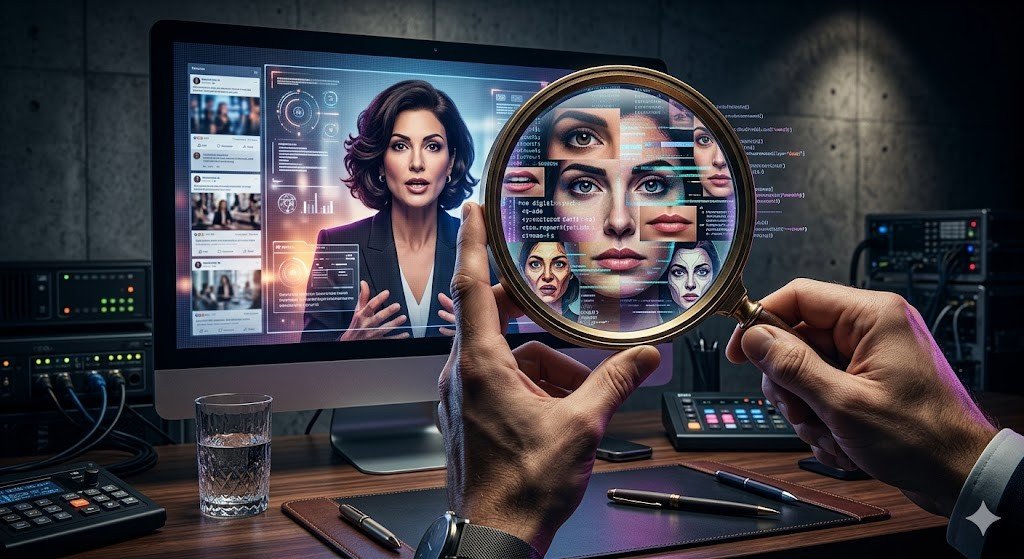
Deepfakes in marketing are making the internet feel less real every single day. Fake influencers are promoting scam products, AI-generated CEOs are announcing false layoffs, and synthetic videos are actively hijacking trusted social media channels
Welcome to the new era of digital deception. As visual platforms like TikTok and Instagram dominate our screens, deepfakes in marketing have become a massive threat. Scammers use AI to steal brand trust. They scale their attacks faster and cheaper than ever before. In fact, reports show deepfake fraud attempts have surged by up to 1,740% in North America alone.
If you run a business or manage a brand, you can no longer ignore this. You need a defense strategy. Here is your ultimate guide to surviving deepfakes in marketing and protecting your reputation in 2026.
The Growing Threat of Deepfakes in Marketing
Just a few years ago, AI videos looked glitchy. Today, they are nearly flawless. Fraudsters do not need big budgets to ruin your brand. Voice cloning now takes just 20 to 30 seconds of audio. Convincing video deepfakes can take less than 45 minutes to create using free software.
This means anyone can steal your face, your voice, or your brand logo. They can run fake ads that look exactly like your real marketing campaigns.
Why Brand Identity is the Main Target
Political deepfakes get the most news coverage. However, brand and reputation attacks actually dominate the web. In 2025, brand-targeted deepfakes generated massive media impressions. Why? Because trust is profitable. When scammers clone a trusted brand, consumers click their links and buy their fake products.
Stunning Statistics About Deepfakes in Marketing
The financial and social costs of synthetic media are shocking. Let’s look at the hard data from the past year.
By the Numbers: The 2025-2026 Deepfake Crisis
- 8 Million Deepfakes: The UK government estimated that8 million deepfakes were shared in 2025, a 1,500% increase from just two years prior.
- $900+ Million Lost: Global losses from documenteddeepfake fraud exceeded $900 million in 2025.
- 1,740% Regional Spike:DeepStrike data revealsa 1,740% increase in deepfake fraud targeting North American digital economies.
- Top Global Threat: The World Economic Forum’sGlobal Risks Report 2025ranks AI-driven misinformation and disinformation as one of the most severe short-term risks facing society today.
How to Spot Deepfakes in Marketing Campaigns
You cannot fight what you cannot see. Human ability to identify deepfakes is barely better than a random guess (studies show human accuracy is just around 55%). However, you can train your team to spot the early warning signs.
Here are the top red flags to watch for when auditing your digital marketing workflow:
- Unnatural Blinking and Eye Movement: AI often struggles with realistic eye contact. Look for robotic staring or weird blinking patterns.
- Audio Sync Issues: Watch the subject’s mouth closely. Deepfakes often fail to match the audio perfectly with lip movements.
- Skin Smoothing: AI tends to make skin look too perfect. If an influencer or CEO looks unnaturally smooth or plastic, be highly suspicious.
- Weird Shadows and Lighting: Look at the background. AI models often generate lighting that does not match the shadows in the room.
4 Ways to Defend Against Deepfakes in Marketing
You must act before an attack happens. Taking a proactive approach will save you time, money, and customer trust.
1. Claim Your Digital Identity
Verify your brand on all platforms. Use official badges on Instagram, YouTube, and TikTok. A blue checkmark is no longer just a vanity metric. It is a vital security tool.
2. Educate Your Audience
Tell your customers exactly how you communicate. For example, explicitly state that your company will never ask for payment via direct messages. If they see an ad asking for weird payment methods, they will know it is a fake.
3. Use Content Credentials
Start using cryptographic watermarks. Platforms like the Content Authenticity Initiative (CAI) allow you to embed hidden metadata into your real photos and videos. This proves your content is human-made and allows consumers to check its exact origin.
4. Monitor Your Brand Mentions
Set up aggressive social listening tools. You must know the moment a fake video goes viral. Fast detection is your best weapon against deepfakes in marketing.
Frequently Answered Questions
What are deepfakes in marketing?
Deepfakes in marketing are synthetic, AI-generated media (like videos, audio, or images) used to falsely impersonate brands, executives, or influencers. Fraudsters use them to run scam ads or ruin a company’s reputation.
How much does deepfake fraud cost businesses?
In 2025, documented deepfake fraud global losses exceeded $900 million. The average business loses hundreds of thousands of dollars per major incident due to stolen funds and damaged reputation.
Can humans easily spot deepfakes?
No. Academic meta-analyses show that human accuracy in spotting real-world deepfakes is only around 55.5% statistically equivalent to flipping a coin. This is why brands must rely on digital watermarks and procedural verification
How can brands protect themselves from AI fraud?
Brands can protect themselves by verifying their social media accounts, using cryptographic watermarks (like those from the C2PA standard) on official content, training employees on AI threats, and using social listening tools to catch fake ads quickly.
