
Seasonal SVGs are one of the easiest digital products to start selling, but pricing them right is where most new sellers get stuck. Price too low and you’re working for pennies after fees. Price too high with no track record and buyers scroll past you. This guide breaks down how to price Seasonal SVGs, how the fees actually affect your payout, and how to sell them consistently instead of listing them once and hoping.
What Are Seasonal SVGs and Why Sell Them
An SVG file is a vector graphic. It stays sharp no matter how big or small you scale it. Seasonal SVGs apply that to holiday and seasonal themes: fall leaves, snowflakes, hearts, Easter eggs, and summer sun icons. Buyers use them with cutting machines like Cricut and Silhouette. They also drop them into design projects for shirts, mugs, cards, and stickers.
They’re popular to sell because there’s no inventory, no shipping, and no material cost. You make the file once, then you can sell it over and over with no extra work. That’s what makes digital downloads like this attractive compared to physical products. It also means the market is crowded, so pricing matters more than most sellers expect.
How Much Do Seasonal SVGs Actually Sell For
Pricing data from Etsy listings gives a clear picture of where the market actually sits. According to keyword pricing research from RankHero, prices for general SVG products on Etsy range from about $1 to $24. The median sits around $3.50, while the average is closer to $5.27. That gap matters: a handful of premium listings pull the average up, but most buyers pay closer to the median.
Bundles follow a similar pattern. RankHero’s data on the “svg bundle” keyword shows that 94% of listings sell for under $10, with most priced around $3.31. Bundle sizes and quality still vary a lot within that range. A separate breakdown from Outfy’s guide to selling SVG files lays out fairly typical ranges by product size:
- Single SVG file: $3 to $10
- Small themed bundle: $10 to $25
- Large bundle with dozens of designs: $25 to $50 or more
Seasonal SVGs specifically can sit at the higher end of these ranges during peak demand windows. Buyers shop with urgency then, not casual browsing.
What You Keep From Seasonal SVGs After Fees
Digital products have no material cost, but Etsy still takes a cut on every sale. Based on the fee breakdown from Outfy’s Etsy selling guide, a $10 sale typically breaks down something like this:
- Listing fee: $0.20
- Transaction fee: 6.5% of the sale price, so $0.65
- Payment processing: roughly 3% plus $0.25, so about $0.55
- Estimated profit: around $8.50
That’s still a strong margin for a file that costs nothing to reproduce. But pricing a single seasonal SVG at $1 or $2 barely covers the fixed listing fee once you subtract transaction and processing costs. This is one of the most common mistakes new sellers make. They price so low that fees eat most of the profit, and they don’t notice until they check their actual payout.
How to Price Seasonal SVGs Strategically
1. Price Seasonal SVGs Near the Median, Not the Bottom
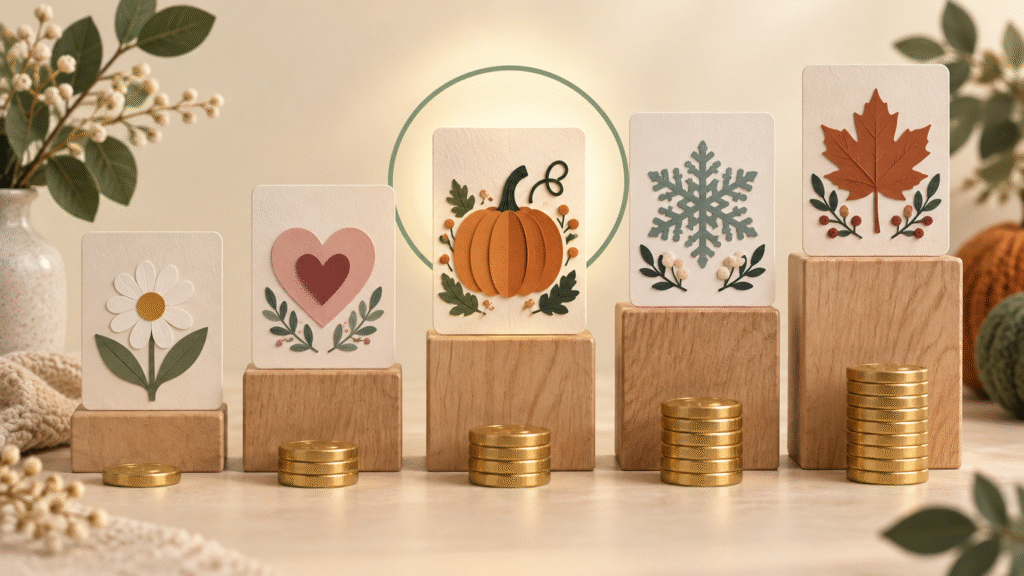
Most SVG buyers expect to pay somewhere around $3 to $5 for a single design. Pricing far below that doesn’t necessarily win more sales. It often signals lower quality and trains buyers to expect discounts. Price close to the median for your niche, then adjust based on how your listings actually perform.
2. Bundle Seasonal SVGs to Increase Order Value
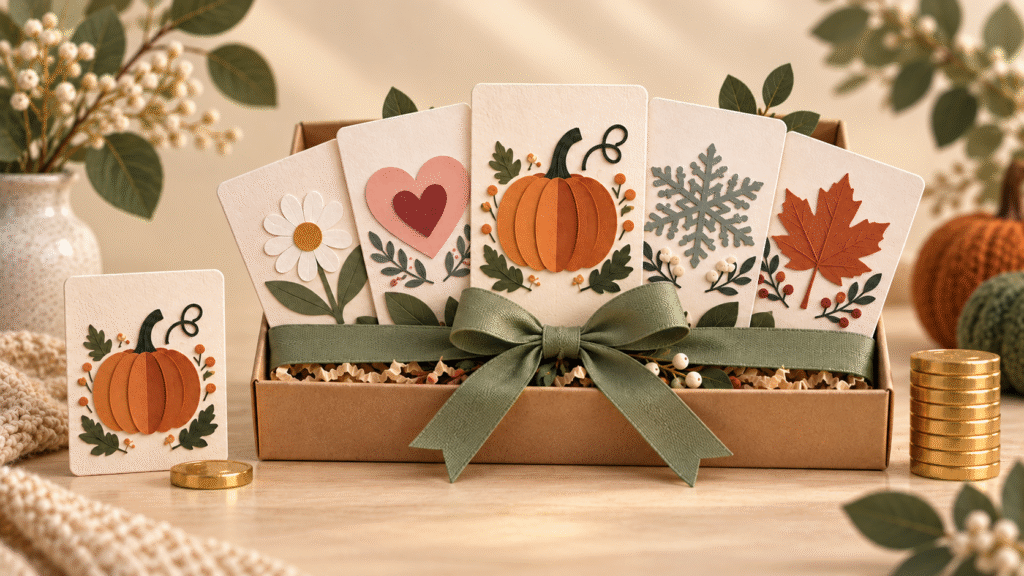
A themed seasonal bundle, say twenty fall designs instead of one, lets you charge $15 to $30. It still feels like a deal to the buyer compared to buying each file separately. Bundling is one of the simplest ways to raise your average order value without pushing back on any single price point.
3. Charge More for Seasonal SVGs During Peak Demand
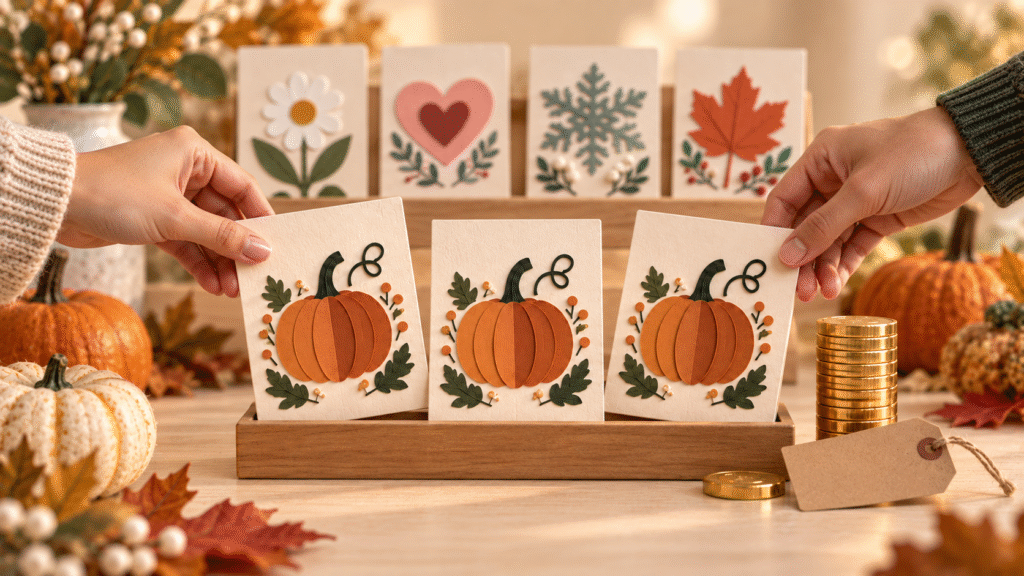
Seasonal urgency changes what buyers are willing to pay. A Halloween SVG bundle listed in early October can usually support a higher price than the same bundle listed in July, since buyers are actively planning projects by then. Price seasonal products around the calendar, not on a flat, year round basis.
4. Test Small Price Changes and Watch Your Stats
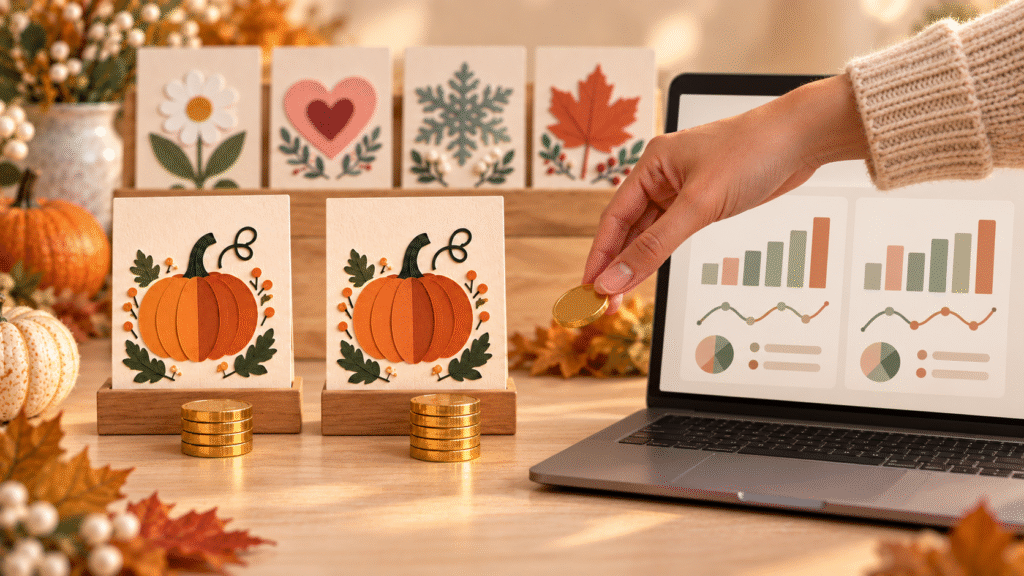
Digital products cost nothing to reproduce, so you can afford to experiment. Try raising a listing by a dollar or two. Then watch your click through rate and conversion rate over a couple of weeks using Etsy’s own shop stats. If sales hold steady, you found a better price point. If they drop off sharply, you’ve found your ceiling.
5. Don’t Ignore Your Thumbnail While You’re Tweaking Price
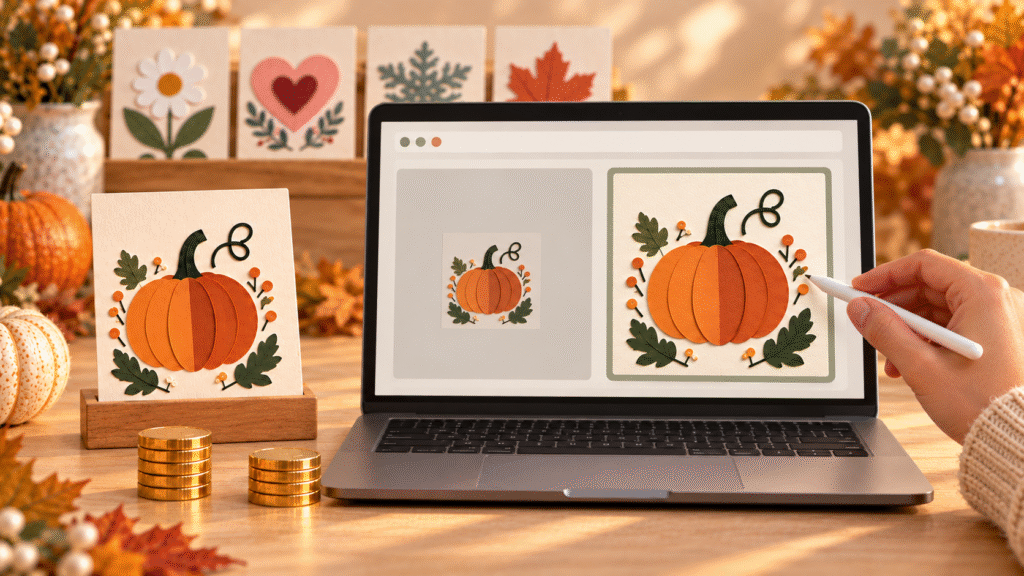
Pricing only works if people click into your listing in the first place. A seasonal SVG bundle priced perfectly still won’t sell if the thumbnail doesn’t stop the scroll. If your click through rate feels low no matter what you charge, the issue is often the image, not the price. We cover this in more detail in our guide to common Etsy listing thumbnail mistakes, which walks through the specific things that quietly hurt clicks.
How to Sell Seasonal SVGs Consistently, Not Just Once
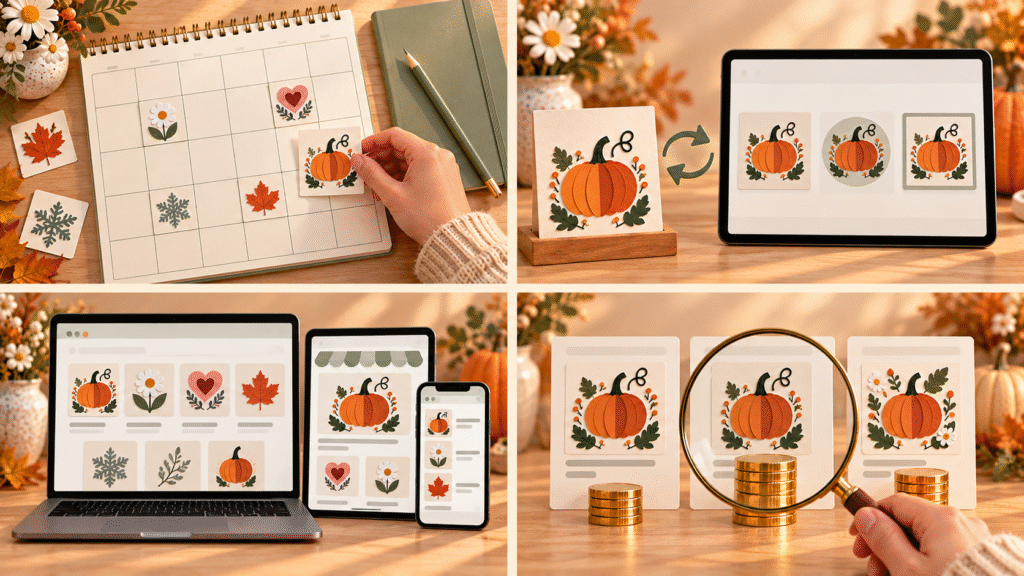
1. Build a Calendar for Your Seasonal SVGs
Plan your listings around the actual shopping calendar, not just the holiday date itself. Buyers start browsing weeks before a holiday. A bundle listed the week of the event has already missed a big chunk of its potential traffic.
2. Reuse and Relist Your Best Sellers
Take a strong Christmas bundle from last year and refresh it with a few new colors or designs. Then relist it the following season. You’re not starting from zero every year, which keeps your production time low relative to your ongoing sales.
3. Diversify Where You Sell Seasonal SVGs
Etsy is the obvious starting point, but it isn’t the only one. You can sell the same files through your own website, Creative Fabrica, or design bundle marketplaces. Selling the same seasonal set across a couple of platforms multiplies your reach without multiplying your workload.
4. Keep an Eye on Competitor Pricing
Search your niche keywords occasionally and see what similar seasonal bundles are charging. Pricing data shifts over time as more sellers enter a niche. Staying too far above or below the going rate can quietly hurt your sales either way.
Frequently Asked Questions
1. How much should I charge for a single Seasonal SVG?
Most single SVG files sell between $3 and $10, with the median around $3.50. Pricing near that range tends to perform better than pricing extremely low, since very cheap listings can reduce profit after Etsy’s fees.
2. Is selling Seasonal SVGs actually profitable?
Yes, largely because there’s no material or shipping cost. After Etsy’s listing, transaction, and payment processing fees, sellers typically keep around 80 to 85% of each sale.
3. Should I sell Seasonal SVGs individually or as bundles?
Bundles usually perform better for revenue per sale. You can price a themed bundle at $10 to $50 depending on size. That gives buyers a sense of value while raising your average order value compared to single file sales.
4. When should I list Seasonal SVGs for the best price?
List seasonal designs several weeks before the holiday itself. Demand and willingness to pay both increase as the season approaches. Listing too close to the date means missing much of the early shopping traffic.
5. Do I need design experience to make and sell Seasonal SVGs?
No. Many sellers use beginner friendly tools like Canva or Cricut Design Space to create or customize seasonal designs. Plenty also buy base templates or bundles to modify rather than designing everything from scratch.
Final Thoughts on Selling Seasonal SVGs
Pricing Seasonal SVGs for profit comes down to a few consistent habits. Price near what the market actually pays. Use bundles to raise your average order value. Adjust prices around seasonal demand, and keep testing instead of setting a price once and forgetting it. None of that matters much if buyers aren’t clicking into your listings in the first place, so treat your thumbnails with the same attention as your pricing. Our guide to Etsy listing thumbnail fixes is a good place to check if that side of things needs work too.

Pingback: How to Boost Your Halloween Crafts Profit Margins?